Rising Into Stewardship: A Conversation with Celine Fitzgerald
How rising-generation family members can find confidence, connection, and purpose within family wealth.
At Forecastle Financial, The Key was created to offer thoughtful conversations at the intersection of wealth, lifestyle, legacy, and practical decision-making. In this edition, I had the pleasure of speaking with Celine Fitzgerald, a third-generation family member, family office participant, and RisingGen Coach and Peer Facilitator with In Three Generations.
Celine’s work centers on helping rising generation family members understand not only the technical responsibilities that may come with family wealth, but also the emotional, relational, and identity-based questions that often arrive first. Celine brings a rare combination of lived experience, humility, and practical insight.
My hope is that this piece encourages families, advisors, and rising generation members to create more space for honest dialogue, thoughtful preparation, and meaningful connection.
Listen to the interview in its entirety HERE.
-Sara Hobbs, Founder & CEO
Celine Fitzgerald grew up as part of a third-generation family enterprise, though she did not have the language for “G3,” “rising gen,” or “family office” until well into adulthood. Her path into this work was not planned, but over time it became deeply personal. It became a way to better understand her own family’s story while helping others navigate the responsibilities, questions, and opportunities that come with multigenerational wealth.
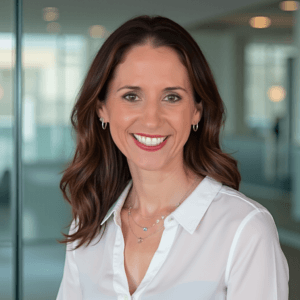
Celine earned a Bachelor of Science in Business Administration from Fordham University in New York, then continued her studies in Milan, Italy, earning a master’s degree in Fashion, Experience and Design Management from SDA Bocconi. After beginning her career in New York through analytical work, customer service, and trunk show planning, Celine returned home to Chicago and later enrolled in the MBA program at Loyola University Chicago.
It was through her internship with Loyola’s Family Business Center that Celine began connecting her personal experience with a broader field of practice. She met family business owners, listened to generational stories, and sat in on seminars that introduced her to succession planning, next-generation education, estate planning, governance, and the language of family enterprise.
That journey eventually led her to a rising-generation peer group led by Kristen Heaney. The experience helped Celine see that she was not alone in her questions, and it became a turning point in how she understood her role within her own family and the broader rising-generation community.
“That peer group changed my life,” Celine shared. “Without it, I probably wouldn’t be so engaged in my family office, and I wouldn’t have a better understanding of what this all meant and how it pertains to me.”
Since her family formed its single-family office in 2019, Celine has continued learning alongside her family, developing best practices, building confidence, and finding her own voice in the work of stewardship.
One of the first points Celine made is that the language itself can be confusing. “Next gen” and “rising gen” are often used interchangeably, but she prefers the phrase rising generation because it suggests movement, growth, and readiness.
A rising-generation family member may be in their twenties, thirties, forties, fifties, or even sixties. With people living longer and leading generations often remaining active in family enterprises well into later life, the role of “next” or “rising” generation is not always tied neatly to age.
For Celine, the term describes family members who are beginning to understand, engage with, and eventually steward the family’s wealth, values, business interests, philanthropy, or legacy. They may not be ready to make decisions. They may not even want a vote. But many of them do want a seat at the table.
“The rising gens I meet are hungry to learn,” Celine said. “They want to ask questions. They want to show their parents they’re capable of being part of the family enterprise.”
For many rising-generation family members, one of the hardest parts of inherited or family wealth is not the money itself. It is a comparison to the generation before. The founder built something meaningful and lasting. The family name carries weight. The rising generation may wonder, “What am I supposed to do with this? How do I contribute? How do I honor what came before without becoming someone I’m not?”
Celine spoke candidly about this tension. She never wanted to go into banking, even though banking was central to her family’s story. She built her own life first, including time in fashion and luxury goods, before gradually finding her place in the family office and philanthropic work.
That distinction matters. Stewardship does not always mean taking over the family business. It may mean preserving values, supporting philanthropy, convening family members, serving on a board, asking better questions, or becoming a more informed beneficiary.
“I may never accumulate the wealth or stature that my grandfather and father did,” Celine said. “But I can carry on the legacy of the family.”
A recurring theme in our conversation was isolation. Many rising-generation family members do not have a natural place to talk openly about wealth. They may not want to discuss it with friends. They may not feel comfortable asking their parents. They may feel guilt, pressure, confusion, or even shame around what they may one day inherit.
Celine described peer groups as a safe place to ask questions that may otherwise go unspoken. What does wealth mean to me? How do I talk about it with a spouse or partner? How do I build a life of purpose if I may not have to work in a traditional way? How do I honor my family’s story without being defined only by it?
The technical side of wealth matters. Trusts, investing, taxes, governance, and estate planning all matter. But Celine believes the emotional and qualitative work often needs to come first.
“If you don’t understand how to handle your wealth emotionally,” she said, “there’s no reason to understand the stock market first. You need both, but I personally think addressing the squishy side first is important.”
One of the most powerful shifts Celine sees in peer groups is the movement from passivity to agency. Participants may enter feeling like wealth is something happening to them. Over time, they begin to see themselves as active participants in the family story.
Some begin asking to attend advisor meetings. Some become more curious about financial planning. Some take an interest in philanthropy, family governance, or family councils. Others simply begin calling home more often, asking better questions, and opening doors to conversations that had previously felt too difficult.
Celine shared that In Three Generations uses a pre- and post-program rising success index, and financial acumen often increases even when the program is not teaching technical finance directly. Why? Because curiosity increases. Confidence grows. Participants begin to understand why these conversations matter.
“People get curious because of what we’re talking about,” Celine explained. “They want to meet the advisors and understand how to converse with them. They want to understand what it means to be a beneficiary. They want to be part of the story.”
For advisors serving high-net-worth and multigenerational families, Celine’s message is direct: Build genuine relationships with the rising generation before transition moments arrive.
If the only relationship exists with the leading-generation client, the next generation may feel no connection to the advisory team when responsibility eventually shifts. But when advisors take time to know the rising generation—who they are, what they care about, what questions they have—the relationship has a better chance of continuing with trust and continuity.
“Get to know the RisingGens of the families you’re serving,” Celine said. “Know their interests. Understand what they like. Being genuine can go a long way.”
For families wondering how to begin bridging the gap between technical literacy and meaningful stewardship, Celine recommends starting with connection. That might mean introducing a rising-generation family member to a mentor, inviting them into an advisor meeting, helping them understand an operating business, encouraging coaching, or connecting them with a peer community.
It does not require handing over control. It does not require giving someone a vote before they are ready. But it does require communication, transparency, and a willingness to let the next generation learn gradually.
Families can begin with small steps:
Near the end of our conversation, Celine offered encouragement for rising-generation family members and for leading-generation family members.
For rising generations, she encouraged grace. Leading generations are often doing the best they can without a clear rule book for how to talk about wealth, prepare heirs, or transfer responsibility.
For leading generations, her request was equally simple: Give the rising generation a chance.
“They’re not just after your money,” Celine said. “They can carry on the family legacy, carry your values forward, and make you really proud if you give them a chance. You don’t have to give them a vote. Just give them a seat.”
Celine Fitzgerald is a RisingGen Coach and Peer Facilitator with In Three Generations, where she supports rising-generation family members through coaching, peer groups, education, and community-building.
Website: www.inthreegenerations.com
Email: celine@in3generations.com
LinkedIn: Celine Fitzgerald
Programs discussed: RisingGen peer groups, the Cornerstone program, CORE 20s, RisingGen Scholars in partnership with Tamarind Learning, and free communities for rising and leading generations.
About Forecastle Financial: Forecastle Financial provides Personal CFO services for affluent households seeking greater visibility, confidence, and coordination across every aspect of their financial lives.

"*" indicates required fields